MarketDragon — AI Video & Image Studio That Publishes
AI video & image studio Free to start

Everyone can generate a clip.
Almost nobody can finish one.

Describe a film, an ad, or a week of posts. MarketDragon writes it, casts it, renders every shot — then schedules it to your pages and tells you what it earned.

No signup Reads only public data 3 free a day

Or skip the audit — start rendering free.

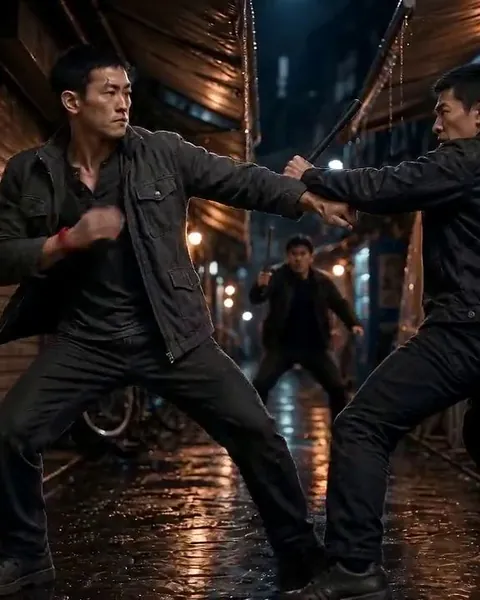
FILM / COURIER Rendering
Scene SC-01
Cast CH-02
Location LC-03
Shot 14 of 18 ~2 min left
Live

What the work did after it left the studio — totalled across every page publishing through MarketDragon, updated daily.

The faults

Six reasons the folder is full of five-second clips.

If you have tried to make something real with an AI generator, you already know all six. Each one is answered by the thing that fixes it.

“The face changes every shot.”

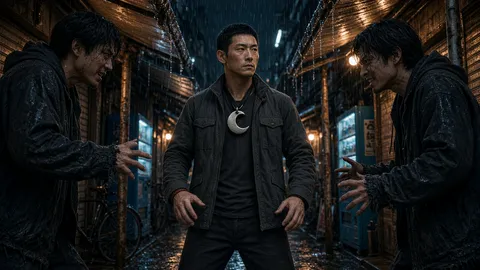
Cast a character once — generate it, or upload a photo of a real person or product — and it becomes an @tag. Type it in any shot and the same face, wardrobe and location come back, across the whole film.

“I'm prompt-engineering, not directing.”

Brief it the way you would brief a producer: the product, the mood, the runtime. The script and the shot list get written with you in chat. There is no syntax to learn and no negative-prompt folklore.

“The good take is the ninth one, and I paid for the eight before it.”

Scenes are broken into single-subject shots before anything renders, which is the unit that comes out usable first time. When one still falls short, you regenerate that shot — not the scene, and not the film.

“It comes out silent.”

Dialogue, score and sound design are mixed into each scene as it renders. No second subscription for voice, no third for music, no timeline to line them up on.

“Five seconds isn't an ad.”

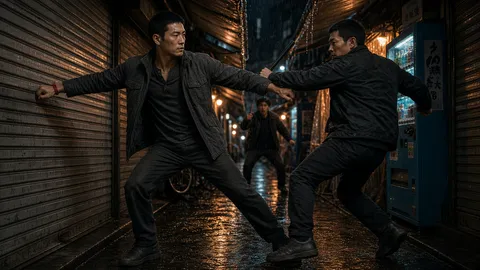
You get scenes and shots on a board, not loose clips. A 60-second spot holds one cast, one look and one story from the first frame to the last, because the board knows it is one film.

“And then it is just a file.”

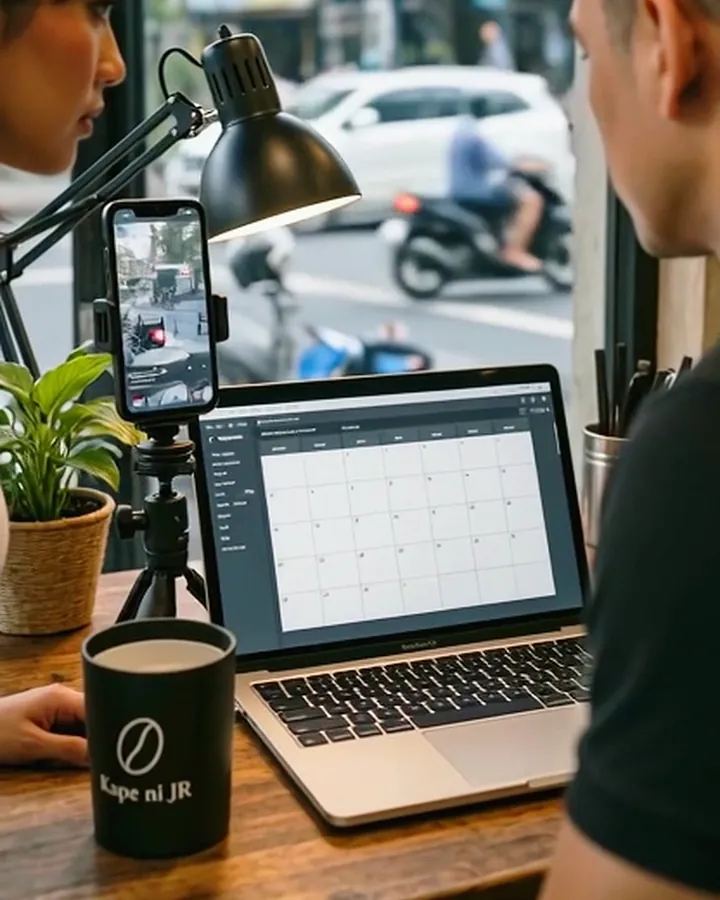
It goes to your calendar, publishes to five networks, and reports what it actually earned. That number is what decides the next brief — which is the part no generator can do, because it never sees the render again.

The line

One brief goes in. Four stages later it has run.

Every other tool in this category hands you a file at stage two and wishes you luck. The last stage is what makes the first one worth doing.

  1. 01

    Brief

    A sentence in plain language — the product, the mood, the length. No prompt engineering, no node graph, no blank timeline.

  2. 02

    Render

    Script, shot list, cast and locations, then every shot rendered with its dialogue and sound already mixed in.

  3. 03

    Publish

    Straight to Facebook, Instagram, TikTok, YouTube and LinkedIn on a schedule. No export, no re-upload.

  4. 04

    Measure

    Real reach and engagement come back from the platforms — and decide what the next brief should be.

Stage four is the input to stage one. That is the whole argument: a generator can make you a clip, but it cannot tell you whether the last one worked, because it never saw it ship.

The rail

And then it ships itself

The half nobody else in this category has. It is not the product — it is the reason the product is worth paying for.

The field

Generation tools stop at the render

We are in the category with Runway and LTX Studio, not the one with Hootsuite. Here is where that leaves us, honestly.

Where they are ahead
  • Frame-by-frame editing. The dedicated generators give you finer control over a single clip than we do, and we say so on the pricing page too.
  • Raw model bleeding edge. A studio built around one model ships its newest checkpoint the day it lands.
Where nobody else is
  • It generates from your actual page — its voice, its posts, its audience — not from a sentence you had to invent.
  • It publishes what it made, to five networks, on a schedule. No export, no re-upload, no second subscription.
  • It reads back what the post earned, and that number picks the next brief.

The full comparison, with prices and dates, is on the pricing page.

Pay for what renders

Credits are metered on GPU time, so you are billed for the work, not for a seat. Free plan to start, no contract, cancel whenever.

$13
per month
See plans
Questions

The ones people actually ask

Yes. No card, no signup, and it does not ask for your email. Three audits a day.

No. The audit reads only public data through each platform's official API — never your login or admin rights.

They generate from a prompt and hand you a file. We generate from your actual page, publish the result to your channels on a schedule, and read back what it earned. On single-clip frame-level control they are ahead of us, and the pricing page says so.

No. You describe what you want in plain language and direct it in chat. The script, the shot list, the cast and the render are handled; you approve or push back.

Credits are metered on GPU time, so a short image costs a fraction of a video shot. The free plan includes starter credits so you can price your own work before paying anything.

Yes. Pages are grouped per workspace, so an agency runs clients side by side with their own voices, calendars and reports. How many depends on the plan.
Start

See what your page is missing

The audit reads your page and names the content worth making next. Then make exactly that, here, and let it post itself.

No signup for the audit. No card for the free plan.

MarketDragon

MarketDragon

We typically reply in a few minutes

Enter to send • Shift+Enter for new line